Kenya’s shift to the Competency-Based Education (CBE) system has hit rocky terrain, with confusion over Grade 10 placements and persistent infrastructure gaps raising concerns about the rollout’s planning and execution.
Lawyer and Kenya Teachers and Health Workers Association (KETHAWA) National Secretary Ndung’u Wangenye says the country embarked on the reforms too quickly, without proper preparation for schools, teachers, and parents.
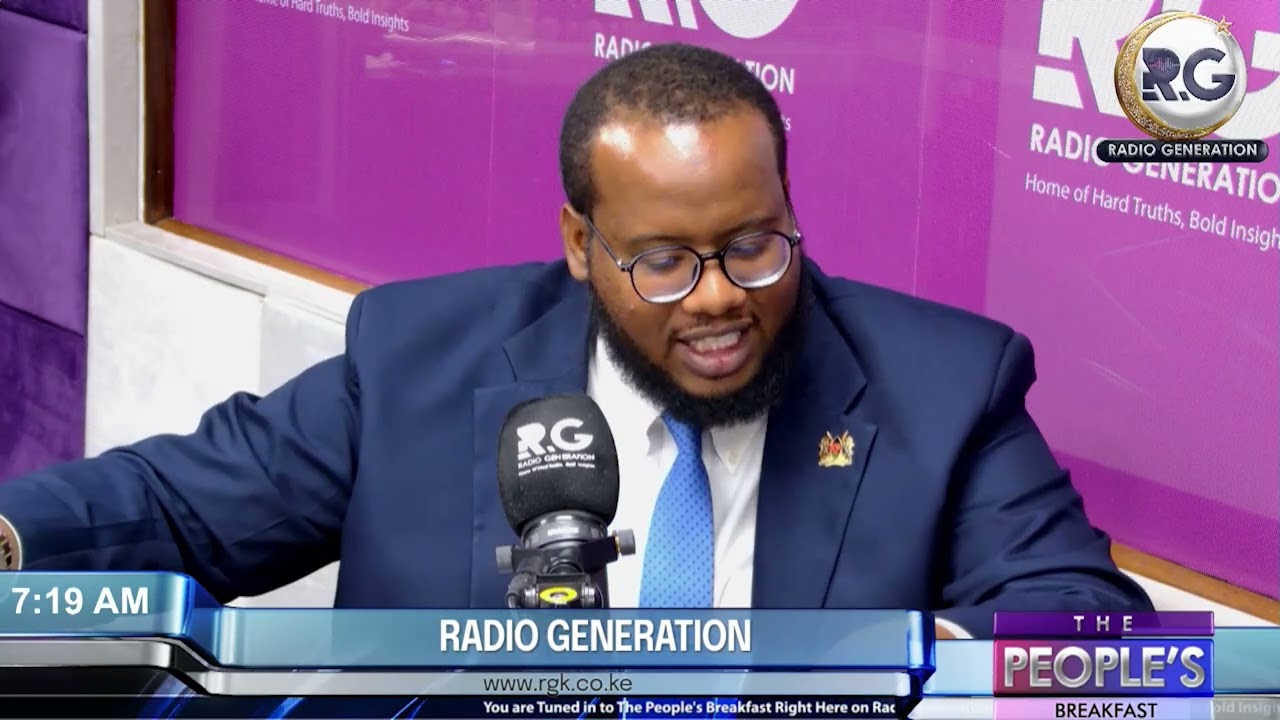
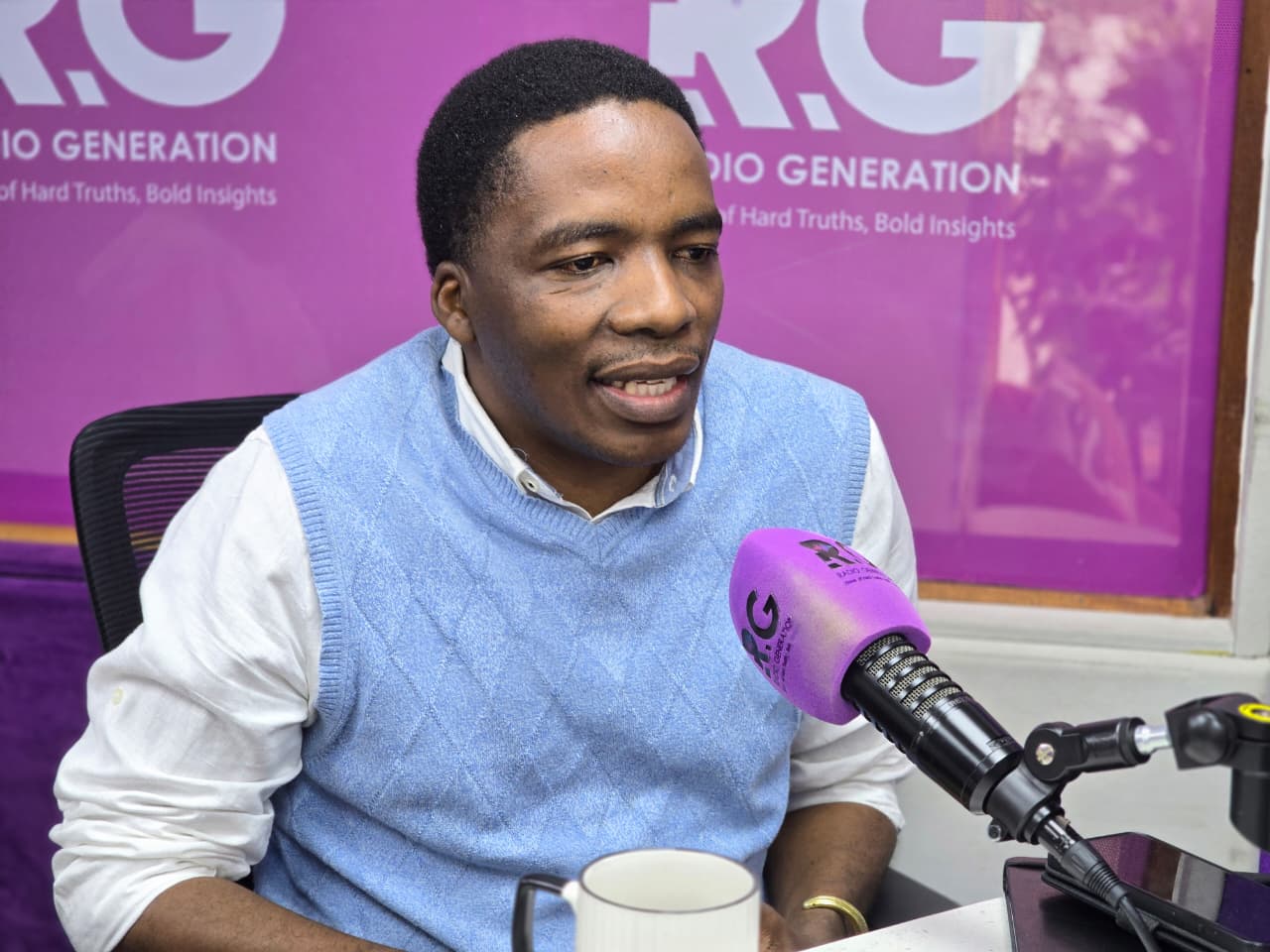
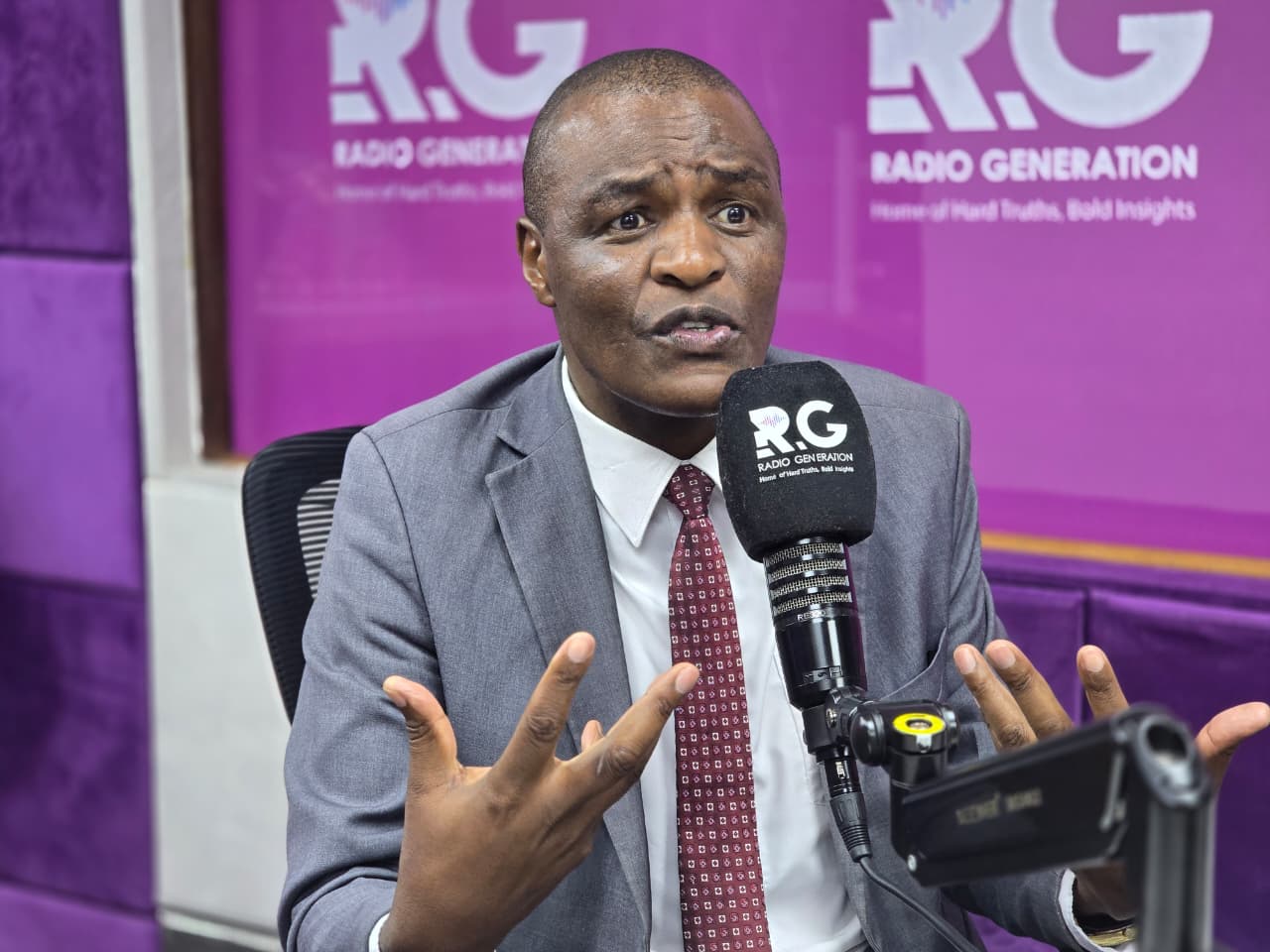
Speaking on Radio Generation on Wednesday, Wangenye said the transition “started wrong,” pointing to haphazard planning, delayed public participation, and infrastructure shortcomings as key factors behind the current challenges.
“It started wrong. We started like haphazard. Then, before we did public participation, before we prepared the teachers, the equipment,” he said.
The reforms, introduced as a replacement for the old 8-4-4 system, were designed to move Kenyan education from exam-focused learning to a skills-based approach. Developed by the Kenya Institute of Curriculum Development (KICD) following recommendations from the 2012 education taskforce, the system aims to nurture practical skills, creativity, and critical thinking.
CBE reorganised education into pre-primary, primary, junior school, senior school, and tertiary levels, with junior school rolled out nationally in 2023 as the first major structural transition.
Senior schools, previously known as secondary schools, now host advanced streams, while junior classes often share space with primary schools.
“There is nothing like that. We call them senior school or junior school. There is no secondary,” Wangenye said, noting that many schools have updated letterheads, rubber stamps, and registration documents to comply with the new legal and audit requirements.
He argued that the structural challenges go beyond administrative adjustments. Initially, junior schools were expected to operate within senior school facilities, which were better equipped. But public pushback led authorities to house junior classes in primary schools, many lacking laboratories and adequate learning resources.
“But all of a sudden, public participation is done. Parent says, no, my child cannot go to a senior school that is far fledged,” he said.
Wangenye described the decision to reverse the original plan as both costly and disruptive. “Changing means it has a financial implication and a big one. It has also distortion of timelines,” he said, warning that implementing reforms before achieving consensus comes with consequences.
“Let’s not start things, we formalize document, then we come to legitimize them through public participation and legislative framework later,” he added. “Why can’t we start with the basic elementary?”
On academics, Wangenye acknowledged ongoing concerns over the distribution of textbooks, especially for Grade 10 science subjects. He cited a March 2, 2026 letter from the KICD director acknowledging fluctuations in enrolment.
“He is admitting that there has been fluctuation on enrolment in Grade 10,” Wangenye said. Despite delays, he said teachers have adapted. “The good thing with science is that a teacher has to improvise whenever there is a deficit,” he noted.
Wangenye defended the core principles of the CBE approach, emphasizing that scientific concepts remain unchanged, but teaching methods and alignment have evolved.
“The concept remains the same,” he said. “But they need to realign themselves with the new curriculum.”
He described the reforms as a complete overhaul of the education system rather than just a curriculum update. While senior schools have seen infrastructure improvements, junior schools continue to face challenges.
“The infrastructure framework of Grade 10 and also equipment, there was a massive investment in that,” he said. “But the junior schools have challenges, even as we speak.”